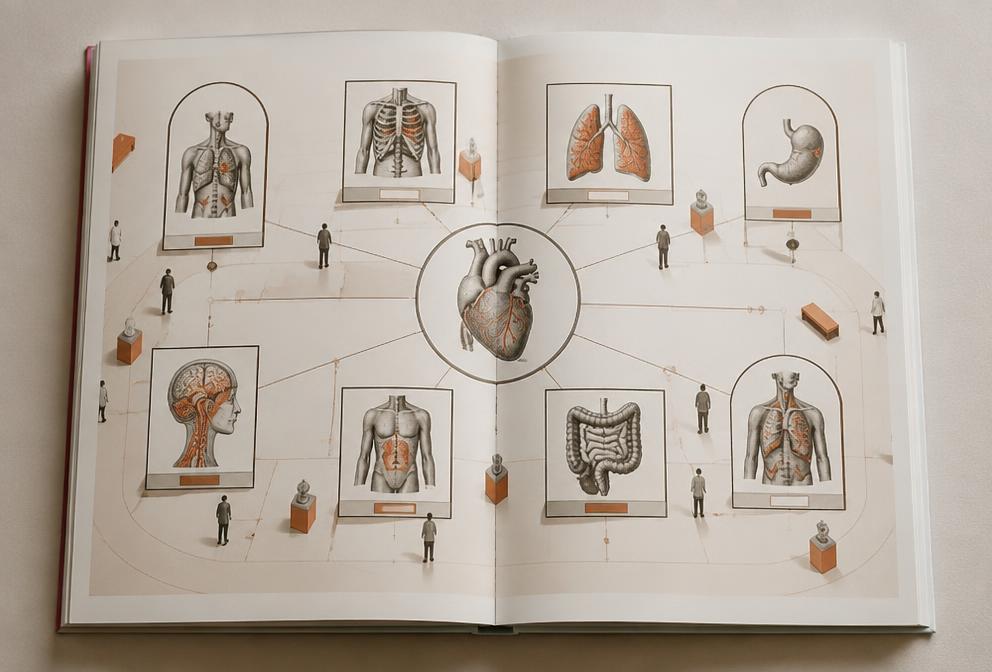
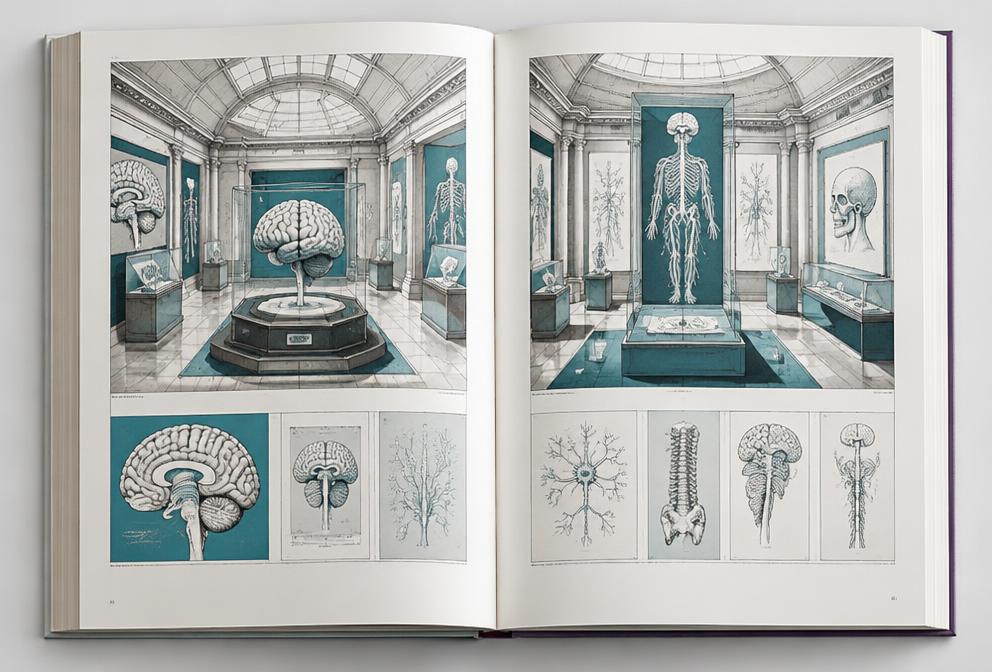
Mind Mapping Medicine turns dense clinical knowledge into a visual memory palace, an intentionally designed place where every condition can be understood, connected, and recalled.
HEENTRespiratoryCardiovascularGINeurologicChest painHeadacheAbdominal painDysphagiaShortness of breath
HEENTRespiratoryCardiovascularGINeurologicChest painHeadacheAbdominal painDysphagiaShortness of breath
Dr. Peter F. Cammans
Founder · Pediatrician · Educator
The story
Built from a better way to remember.
Dr. Cammans began building visual frameworks while preparing for medical board examinations. By giving diseases, differentials, pathophysiology, diagnostics, and treatments memorable locations, his board performance improved by more than 150 points.
A board-certified pediatrician, former chemistry professor, and researcher, he created Mind Mapping Medicine to give learners a consistent framework for placing each piece of medical knowledge within the larger clinical picture.
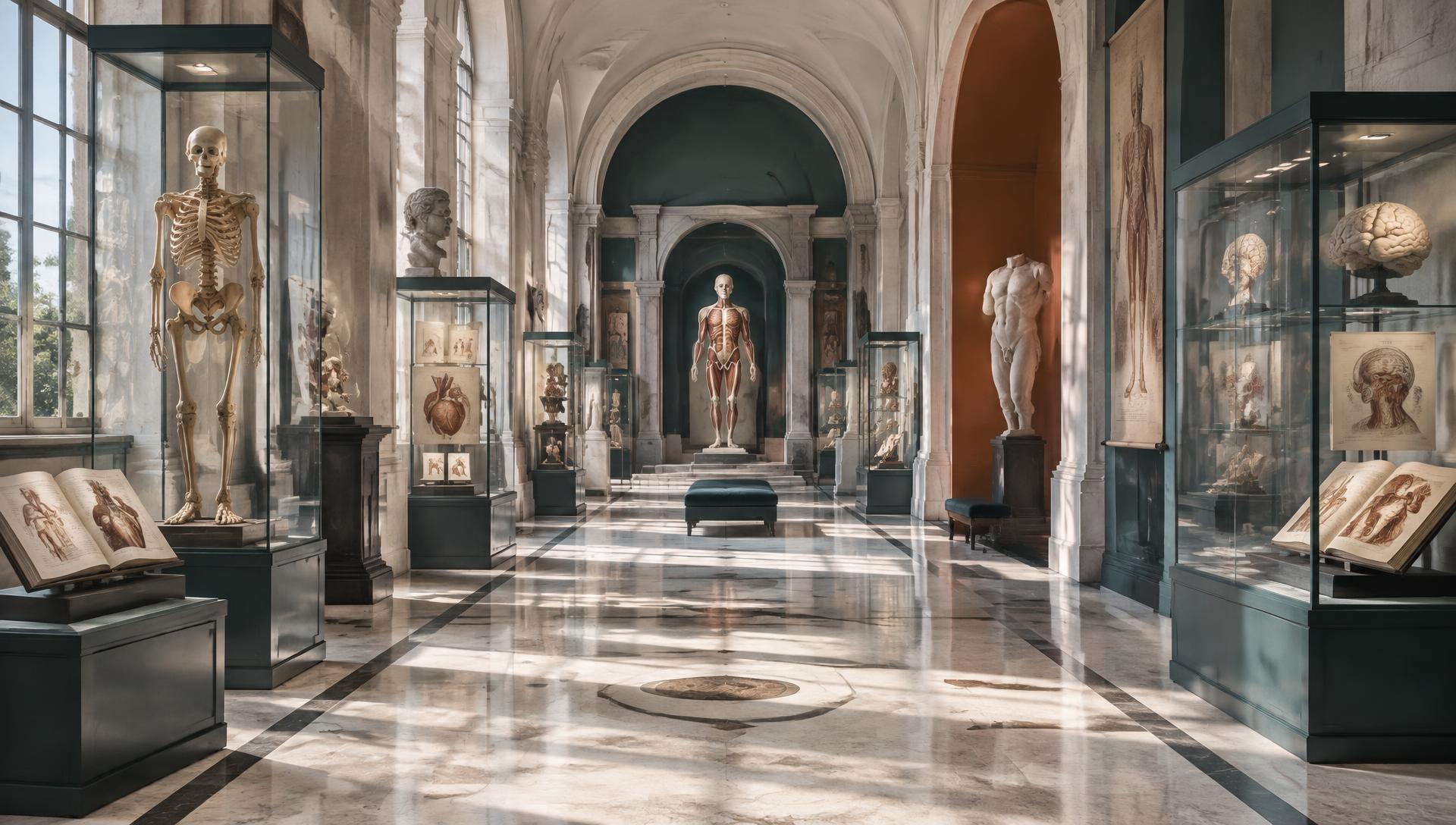
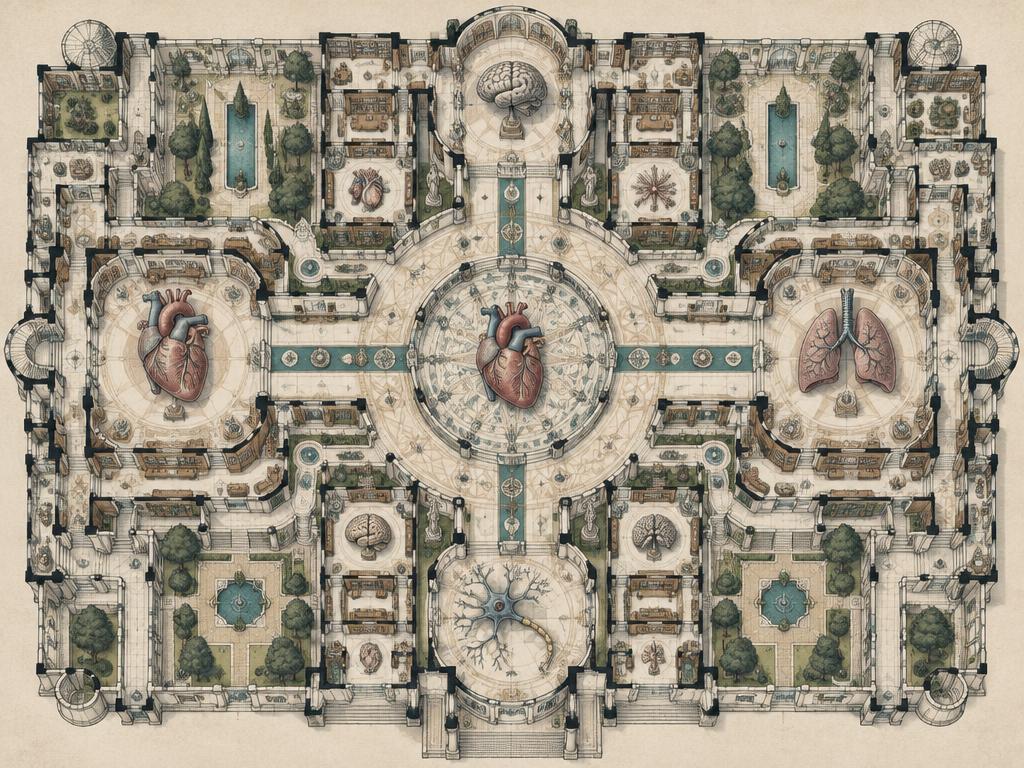
You do not memorize an isolated list, you navigate a place. Diagnoses, differentials, pathophysiology, diagnostics, and treatments receive fixed viewpoints designed to make the relationships between them easier to understand.
01See the larger clinical picture
02Place details in memorable locations
03Return through repeated retrieval
Concept preview · intentionally designed viewpoints
(b) Two doors, one palace
Study by system. Study by symptom. Arrive at the same room.
Pathway 01
By body system
Choose HEENT, respiratory, cardiovascular, GI, neurologic, or another system, then select a diagnosis at its place in the palace. Its details come forward while related diagnoses remain nearby.
HEENTRespiratoryCardiovascularGINeurologic
Pathway 02
By chief complaint
Start with the full differential as clinical reasoning and exams require. Select any condition to study it more closely without losing sight of how it compares with the others.
Chest painHeadacheAbdominal painDysphagiaDyspnea
SystemComplaint
Both routes converge on one shared memory palace—so learners understand not only what a disease is, but where it belongs and how it relates to everything nearby.
(c) The collection
Downloadable study resources
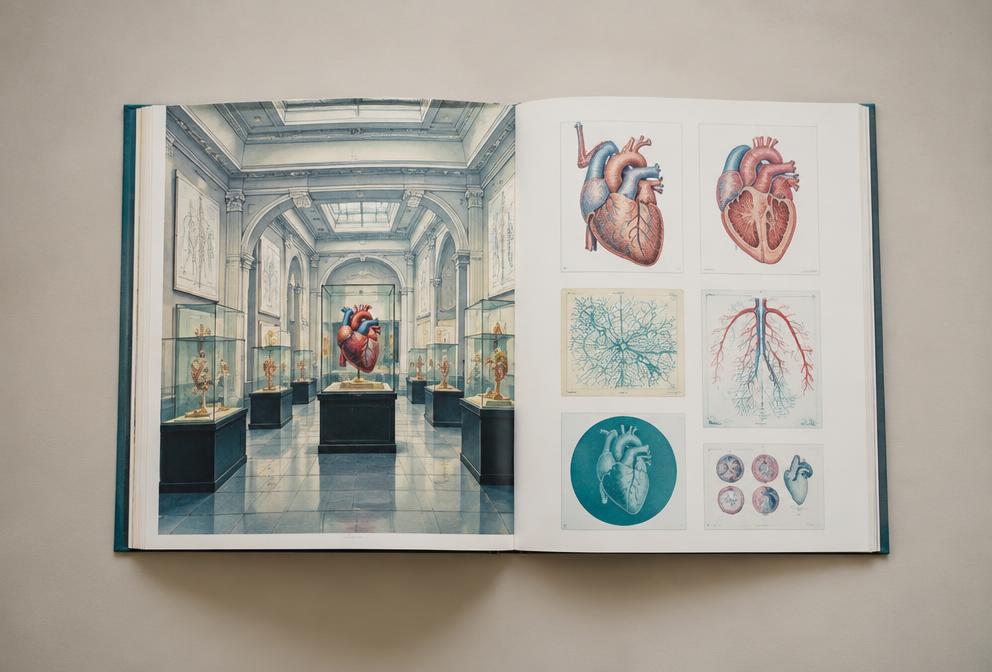
A visual resource collection is in development. Join the waitlist for the first release.
Coming soon
Body System Study Maps
Visual guides designed to organize diagnoses by the way medical school teaches them.
Mind Mapping Medicine is a visual medical education platform that organizes complex knowledge into a standardized, memorable framework using mind maps and memory-palace techniques. Rather than presenting diseases as isolated facts, it shows how diagnoses, presentations, pathophysiology, diagnostics, treatments, and complications relate.
Who is Mind Mapping Medicine for?
It is designed primarily for medical students and residents who need to organize and retain the large volume of information required during medical education and preparation for standardized examinations.
How is it different from resources like UWorld and Sketchy?
Mind Mapping Medicine complements these resources with a standardized framework and reproducible visual locations where learners can mentally organize and retrieve information. Like Anki, it supports repeated retrieval, but adds a consistent spatial framework—a memorable place to return to.
What is a medical memory palace?
A memory palace associates information with specific locations in a familiar or intentionally designed environment. Here, diagnoses and related information live within a visual setting, allowing recall through spatial and visual associations.
Can I study by body system or by chief complaint?
Yes. Body-system navigation lets learners study diagnoses within systems such as cardiovascular, respiratory, GI, neurologic, and HEENT. Chief-complaint navigation starts from clinical presentations such as headache, chest pain, abdominal pain, dysphagia, or shortness of breath.
Why are there two ways to navigate the same information?
Medical school often organizes information by body system, while clinical practice and examinations require learners to think in presenting complaints and differential diagnoses. Mind Mapping Medicine brings both perspectives together.
Will I be able to see how diagnoses relate to one another?
Yes. When studying one condition, surrounding diagnoses from the relevant differential can remain visible, helping learners distinguish common, less common, and potentially serious can’t-miss diagnoses.
Is this intended to replace textbooks or question banks?
No. It is designed to complement established medical education resources by providing a framework for organizing and remembering information from lectures, textbooks, question banks, and clinical experiences.
Is Mind Mapping Medicine useful for board preparation?
The platform is designed with the large body of knowledge tested on standardized medical examinations in mind. It is intended for use alongside appropriate question banks and other board-preparation resources.
Who created Mind Mapping Medicine?
Mind Mapping Medicine was created by Dr. Peter F. Cammans, a board-certified pediatrician and educator. The concept grew from his own use of visual learning, mind mapping, and memory-palace techniques during medical training.
Waitlist preview
Be first through the doors.
The email waitlist is part of the planned launch experience. This presentation does not collect or store email addresses yet.